
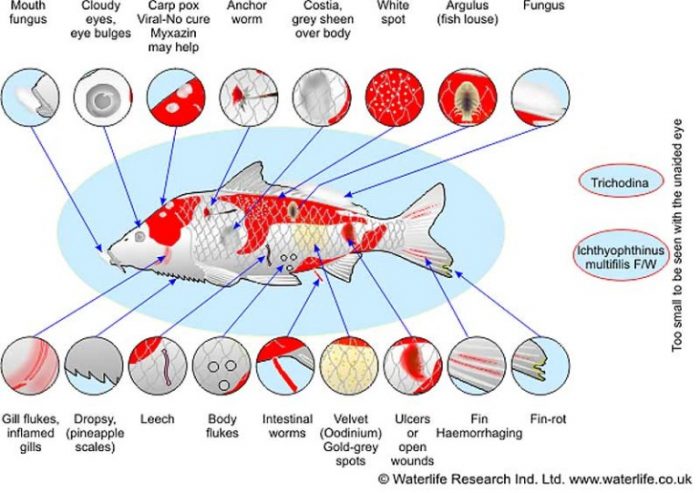
Fish sickness, also known as fish diseases or fish health problems, refers to various ailments and conditions affecting aquatic organisms. As delicate creatures living in a complex ecosystem, fish can fall victim to numerous illnesses caused by both internal and external factors. These diseases not only pose a significant threat to individual fish but can also impact entire populations in aquariums, ponds, or natural water bodies.
Causes of Fish Sickness
- Pathogens: Pathogenic microorganisms such as bacteria, viruses, fungi, and parasites play a significant role in causing fish sickness. These pathogens can invade the body of the fish through wounds or weak immune systems.
- Poor Water Quality: An imbalanced aquatic environment with inadequate filtration, high ammonia levels, low oxygen levels, improper pH levels (too acidic or alkaline), excessive organic matter accumulation (such as decaying plants), or heavy metal contamination can weaken a fish’s immunity.
- Stress Factors: Stress is another major contributor to compromised fish health. Overcrowding in tanks/ponds leads to increased competition for resources and heightened stress levels among fishes.
- Nutritional Deficiencies: Inadequate nutrition due to poor diet composition lacking essential vitamins and minerals weakens the overall health of fishes.
Common Fish Diseases
- Ichthyophthirius multifiliis (Ich): Ich is one of the most common parasitic infections affecting freshwater and marine fishes alike. It manifests as tiny white spots on the skin resembling grains of salt.
- Columnaris Disease: Columnaris is caused by Flavobacterium columnare bacteria and leads to cotton-like growths around fins/mouth area along with discoloration on scales.
- Fin Rot: Fin rot occurs when bacterial infection damages a fish’s fin tissue leading to frayed edges or complete deterioration of fins over time.
- Dropsy: Dropsy is a severe condition characterized by the swelling of the fish’s body due to fluid accumulation in its tissues, resulting from bacterial or viral infections affecting internal organs.
Diagnosis and Treatment
Diagnosing fish diseases can be challenging for non-experts; however, observing abnormal behavior, physical symptoms, and changes in appearance can provide valuable clues. If one suspects a sick fish, it is vital to isolate it immediately to prevent further spread of disease within the population.
- Quarantine: Placing newly acquired fishes into quarantine tanks before introducing them into established aquariums/ponds helps prevent potential disease transmission.
- Water Quality Management: Regular monitoring and maintenance of water parameters such as temperature, pH levels, ammonia/nitrite levels, adequate filtration systems along with partial water changes help maintain optimal conditions for fish health.
- Medication: Depending on the specific ailment identified through research or consultation with aquatic veterinarians or knowledgeable experts in pet stores/aquarium clubs, appropriate medications (antibiotics/antiparasitic agents) can be administered according to dosage instructions.
- Improved Nutrition: Providing a well-balanced diet rich in essential nutrients strengthens immune defenses and overall vitality.
Prevention Measures
Prevention plays a crucial role in maintaining healthy fish populations:
- Quarantine Procedures: Isolating new additions allows observation for signs of illness before introducing them into established habitats.
- Proper Tank Maintenance: Consistent monitoring of water quality parameters coupled with regular cleaning ensures optimal living conditions for fishes.
- Avoid Overcrowding: Maintaining appropriate stocking density minimizes stress among fishes and reduces disease transmission risks.
- Quality Fish Sources: Purchasing healthy specimens from reputable breeders/dealers decreases susceptibility to diseases originating from unscrupulous sources.
Fish sickness poses significant challenges but understanding its causes and taking proactive measures can help minimize its impact. By ensuring proper care, nutrition, and a stress-free environment, fish enthusiasts can enjoy vibrant and thriving aquatic ecosystems for their beloved finned companions.
Note: The information provided in the essay is for informational purposes only. In case of fish sickness or health concerns, it is recommended to consult with professionals specializing in aquatic animal health.