
Building is an essential and foundational aspect of human civilization. From ancient times to the present day, buildings have played a crucial role in shaping societies and providing shelter, infrastructure, and comfort to people worldwide. In this article, we will delve into the various dimensions of building, exploring its history, significance, and impact on our lives.
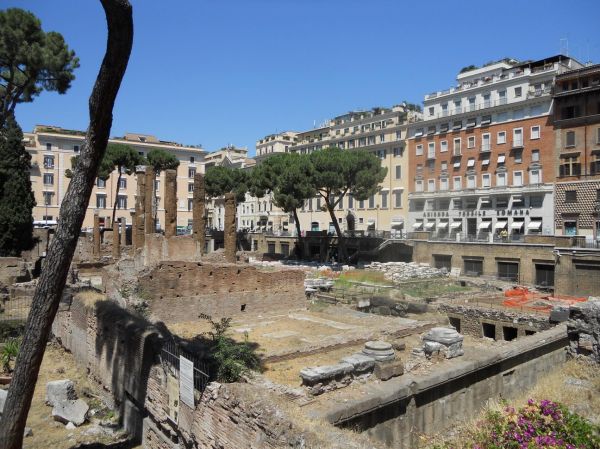
Building has been intrinsic to human existence since the earliest forms of civilization. Ancient civilizations such as the Egyptians, Greeks, and Romans are known for their remarkable architectural achievements that still captivate and inspire us today. The pyramids of Egypt, the Parthenon in Greece, and the Colosseum in Rome stand as breathtaking examples of the prowess and ingenuity of these early builders.
The art of building encompasses both the aesthetic and functional aspects. It is not just about erecting structures; it involves careful planning, design, and construction. Architects and engineers play a crucial role in creating buildings that not only serve their intended purposes but also reflect the artistic vision of their creators. From residential houses to soaring skyscrapers, these professionals blend science, art, and technology to create masterpieces that stand the test of time.
The significance of building goes beyond mere physical structures. Buildings have the power to shape the character and identity of a place. The architectural style of a city can define its cultural heritage and become a symbol of pride for its inhabitants. For instance, the iconic Taj Mahal in India is not just a magnificent building but also a testimony to the love and devotion of its architect, Emperor Shah Jahan, towards his wife Mumtaz Mahal. Similarly, the Eiffel Tower in Paris is a proud symbol of French cultural and engineering prowess.
Moreover, buildings have a profound impact on our everyday lives. They provide us with shelter, protection, and a sense of belonging. A well-designed and comfortable home is essential for our physical and mental well-being. Buildings also create spaces for work, education, entertainment, and healthcare, allowing us to lead productive and fulfilling lives. They serve as catalysts for economic growth and development by providing the infrastructure necessary for businesses to thrive.
In recent decades, the concept of sustainable building has gained increasing importance. The environmental impact of buildings, such as energy consumption and carbon emissions, has prompted a shift towards eco-friendly and energy-efficient designs. Green buildings are constructed using sustainable materials, incorporating renewable energy systems, and utilizing efficient waste management strategies. These buildings not only benefit the environment but also promote healthier indoor spaces and reduce long-term operating costs.
To conclude, building is an integral part of the human experience. It combines art, science, and technology to create structures that serve both practical and aesthetic purposes. From ancient wonders to modern skyscrapers, buildings continue to shape our societies, reflect our cultural heritage, and provide us with spaces to live, work, and thrive. As we move towards a more sustainable future, the importance of responsible and eco-friendly building practices cannot be overstated. By embracing innovative design principles and construction techniques, we can ensure that buildings continue to enrich our lives while preserving the environment for future generations.