

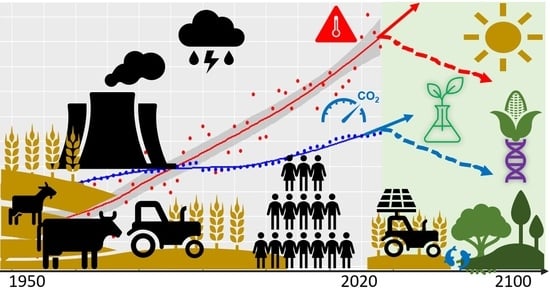
Climate change is no longer a distant threat; it is a harsh reality that we are facing today. Its impact is far-reaching and affects various aspects of our lives, including the availability and accessibility of food. The alarming connection between climate change and food security cannot be undermined. In this blog post, we will delve into the consequences of climate change on our food systems, from the challenges faced by farmers to the potential solutions we can employ to mitigate these effects.
The Vicious Cycle: Climate Change and Agriculture
Agriculture, the backbone of our food production, finds itself vulnerable to the vicious cycle of climate change. As our planet heats up, extreme weather events become more frequent, posing a significant challenge to farmers. Floods, droughts, and heatwaves wreak havoc on crops, leading to a decline in yields and quality. Traditional farming calendars become unreliable as rainfall patterns shift and temperatures soar, making it harder for farmers to plan and cultivate their fields.
Global Food Production: Threatened by Climate Change
The repercussions of climate change on global food production are dire. As temperatures continue to rise, crop yields are expected to decline, jeopardizing our ability to feed a growing population. Moreover, studies indicate that increased CO2 levels in the atmosphere can diminish the nutritional value of crops, leading to micronutrient deficiencies in populations reliant on staple foods. Rising sea levels are another concern, as they pose a threat to coastal agriculture and aquaculture, causing significant damage to these valuable food sources.
Climate Change Adaptation: Necessity and Challenges
Adaptation is key to mitigating the impact of climate change on agriculture. Farmers must adopt climate-smart practices – a combination of traditional knowledge and cutting-edge technologies that enable resilient farming in the face of a changing climate. However, implementing these practices comes with its own set of challenges. Access to finance, lack of appropriate training, and limited availability of resources often obstruct the transition to sustainable agriculture. Supporting farmers in adopting climate-resilient farming techniques is essential to ensure a secure and sustainable food future.

Sustainable Solutions: Moving towards Resilient Food Security
While the challenges are immense, there are sustainable solutions that can help build resilience in our food systems. One approach involves promoting climate-resilient crops and improving crop diversity. By encouraging the cultivation of varieties that are more resilient to extreme weather conditions, we can reduce the vulnerability of our food production. Additionally, implementing water-saving techniques and efficient irrigation systems can help conserve this precious resource and ensure its availability during prolonged dry spells.
Furthermore, the promotion of sustainable and organic farming practices can contribute to climate change mitigation while preserving soil fertility. By reducing the use of synthetic fertilizers and pesticides, we can minimize the carbon footprint of agriculture and protect the environment. Lastly, strengthening local food systems and reducing reliance on food imports can enhance food security and reduce the risks associated with global supply chain disruptions.
Collaborative Action: The Need for Global Cooperation
To effectively address the complex issue of food security in the face of climate change, global cooperation is paramount. Governments, non-governmental organizations, and international bodies must work together to enact policies and create support systems that enable farmers to adapt to the challenges ahead. Increased climate finance and investments in sustainable agriculture practices are vital to support farmers, particularly those in developing countries, who are most vulnerable to the impacts of climate change.
However, individual action also plays a significant role. By making informed choices, we can contribute to sustainable and resilient food systems. Supporting local farmers through purchasing locally sourced produce, reducing food waste, and choosing sustainable and eco-friendly food options can all make a difference in promoting a secure food future for all.
Conclusion
Climate change poses a formidable threat to global food security. As we witness the impact it has on agricultural systems, we must act urgently to address this crisis. By understanding the challenges faced by farmers, recognizing the interconnectedness of our global food systems, and embracing sustainable solutions, we can sow the seeds for a more secure and resilient food future. Let us join hands to protect our planet and ensure that future generations have enough to eat.