
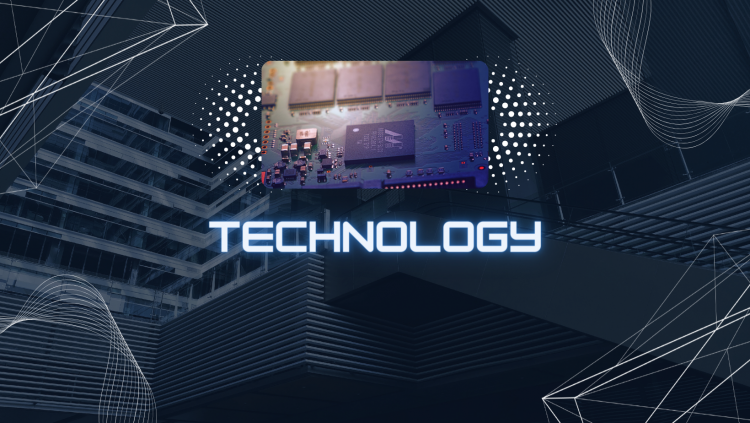
A chipset is a set of electronic components in an integrated circuit (IC) that manages the data flow between the processor, memory, peripherals, and other system components in a computer or electronic device. It acts as a central hub, facilitating communication and coordination among different parts of the system. Chipsets play a crucial role in ensuring the proper functioning and efficiency of a computer system or device.
There are two main types of chipsets:
- Northbridge: Historically, the Northbridge was responsible for handling high-speed components such as the processor, memory (RAM), and graphics card. However, modern systems have evolved, and the Northbridge’s functions have been integrated into the processor or are no longer distinct in many architectures.
- Southbridge: The Southbridge is another part of the chipset that manages lower-speed components like storage interfaces (SATA, USB), input/output ports, audio controllers, and networking components. It handles communication between the CPU and slower peripheral devices.
In more recent CPU architectures, especially those developed by Intel and AMD, many functions traditionally associated with the Northbridge have been integrated into the CPU itself. This integration has led to a simplified chipset architecture, where the Southbridge remains a distinct component.
Chipsets are designed to work with specific types of processors and motherboards. They also play a role in determining the capabilities and features of a computer system, such as the types of memory supported, the number of USB ports, the available expansion slots, and more. Different chipsets cater to various market segments, including consumer desktops, laptops, servers, and mobile devices.